Indian Basmati vs Non-Basmati Rice: Complete Importer Guide to Varieties, Specs & Incoterms
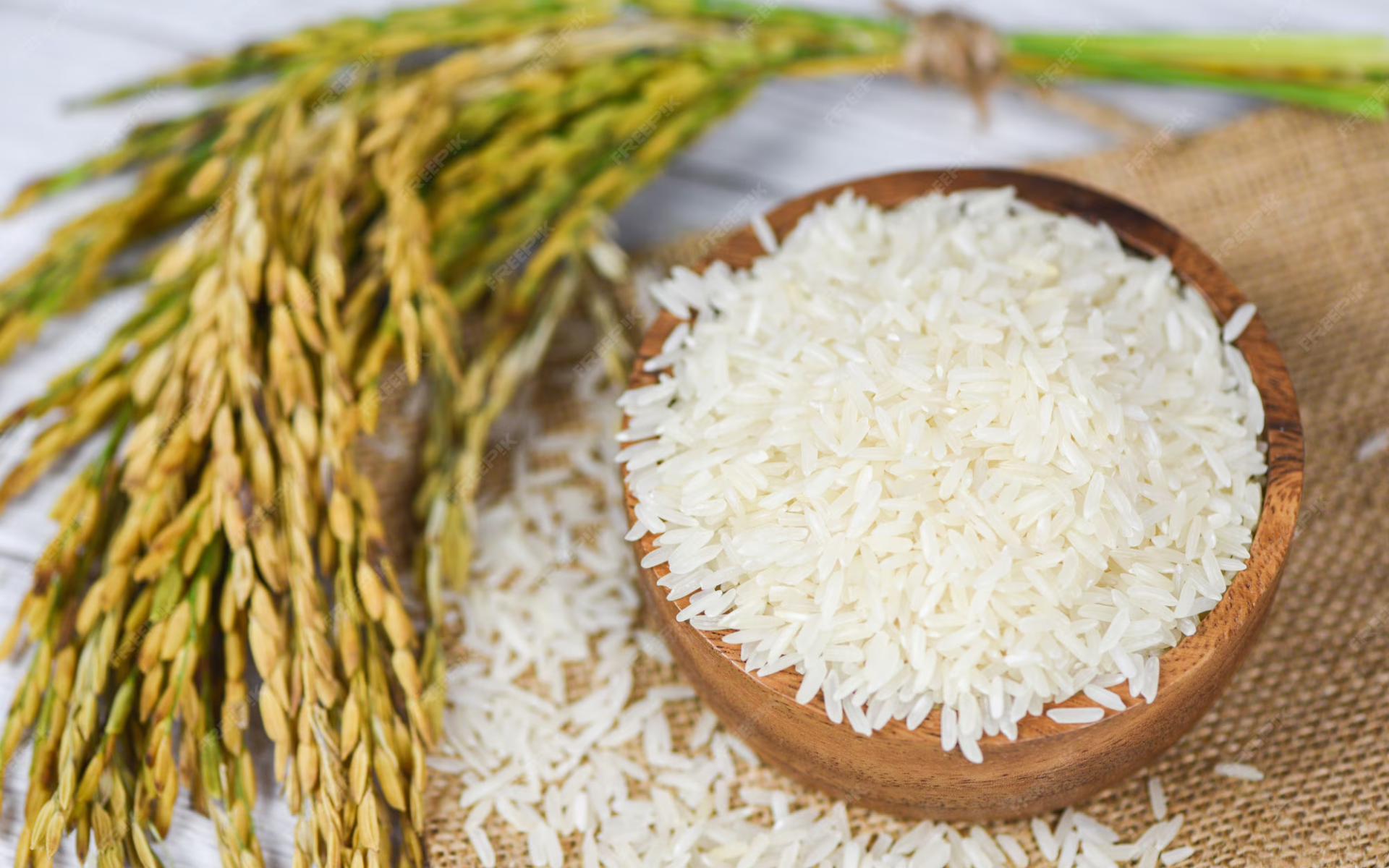
The Global Powerhouse of Rice Exports
India reigns as the world’s leading exporter of rice, responsible for over 40% of the international rice trade. Importers worldwide depend on Indian rice varieties for their culinary versatility, aromatic qualities, and competitive pricing. However, global buyers must distinguish between Traditional & Hybrid Basmati Rice and Non-Basmati Industrial & Table Rice to select the right grade for their target demographics.
1. Indian Basmati Rice: The Aromatic Standard
Grown exclusively in the specific geographical indication (GI) belt at the foothills of the Himalayas, Basmati is defined by its slender grains, distinct aroma, and remarkable post-cooking elongation:
- 1121 Basmati Rice: The world record holder for longest grain length (average pre-cooked length 8.35mm–8.40mm). Upon cooking, it elongates up to 2.5 times (up to 20mm–22mm) without clumping. Available in Steam, Sella (Parboiled), and Golden Sella forms.
- 1509 Basmati Rice: An economical alternative to 1121 with an average length of 8.30mm, fast cooking time, and high volume yield.
- Sugandha & Sharbati: Long-grain aromatic hybrid varieties offering an attractive price point for everyday commercial food service.
2. Non-Basmati Rice: The High-Volume Food Security Staple
Non-basmati rice represents the bulk of global food consumption across Africa, Southeast Asia, and the Middle East:
- IR64 Parboiled Rice (5% / 25% Broken): Long-grain non-basmati rice with average grain length of 6.0mm. Steaming before milling gelatinizes the starch, hardening the kernel and reducing broken grain percentage during milling. Highly favored across West Africa and Southeast Asia.
- IR64 Raw White Rice: Milled without parboiling, yielding bright white grains for direct table consumption and canning.
- Swarna & Sona Masoori: Medium-grain varieties known for high digestibility, lightweight cooking texture, and popularity in South Asian diasporas.
- 100% Broken Rice: Economical grade widely used in beer brewing, rice noodles, baby food formulations, and livestock feed manufacturing.
Key Quality Specifications to Specify in an RFQ
| Parameter | Basmati (1121 Steam) | Non-Basmati (IR64 Parboiled) |
|---|---|---|
| Average Grain Length (AGL) | 8.35mm Min | 5.8mm – 6.2mm |
| Moisture Content | Max 12.5% | Max 14.0% |
| Broken Grains | Max 1.0% – 2.0% | 5%, 10%, 15%, or 25% Max |
| Damaged / Discolored | Max 0.5% | Max 1.5% |
| Purity / Sortex Clean | 95% – 99% 100% Sortexed | 99% Optical Sortexed |
Export Packaging & Container Stuffing Mathematics
Rice packaging must protect the dry cargo from maritime humidity, insect infestation, and handling stress:
- Bags: 5kg, 10kg, 20kg, 25kg, and 50kg in PP (Polypropylene) woven bags, multi-color laminated BOPP bags, or natural breathable Jute sacks.
- Container Loading Capacity: Rice is dense cargo. A standard 20ft heavy-tested shipping container holds between 26.0 to 28.0 Metric Tons (e.g., 540 to 560 bags of 50kg each). Moisture absorption silica desiccant bags and kraft paper lining are installed inside the container walls.
Fumigation & Port Inspection Protocol
Prior to container sealing, methyl bromide or aluminium phosphide fumigation is conducted under quarantine officer supervision to ensure zero living insects or weevils at discharge port. VM EXIM coordinates third-party weight and quality certificates with agencies such as SGS, Bureau Veritas, or Geo-Chem before issuing the final Commercial Invoice and Bill of Lading.
Have Questions About This Commodity or Sourcing Requirements?
Our commercial trade managers assist international importers with pricing models, incoterms, ocean freight schedules, and sample inspections.